
Ice Dam on Your Sartell Roof? What to Do Right Now
When a thick ridge of ice forms along your Sartell roof eaves and meltwater begins leaking into interior ceilings or walls, take immediate action: poke a relief hole in sagging drywall, safely rake snow off lower roof eaves, avoid hammers or salt pucks, and call DualGuard at (321) 485-9911 for emergency low-pressure steam removal.
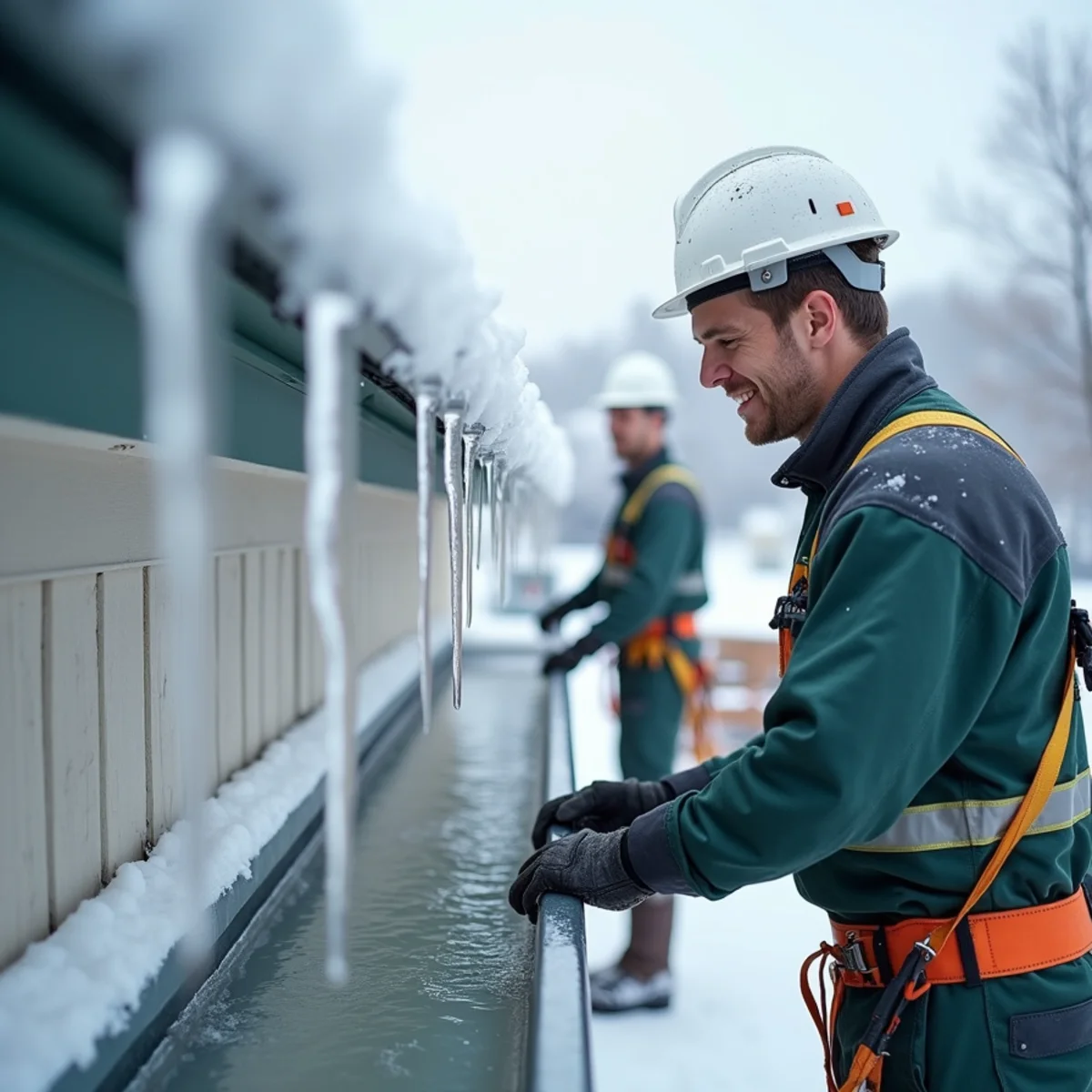
When a thick ridge of ice forms along your Sartell roof eaves and meltwater begins leaking into interior ceilings or walls, take immediate action: poke a relief hole in sagging drywall, safely rake snow off lower roof eaves, avoid hammers or salt pucks, and call DualGuard at (321) 485-9911 for emergency low-pressure steam removal.
- Minute 0 to 5: Mitigating Active Interior Water Leaks
- What NEVER to Do: Hammers, Salt Pucks & Pressure Washers
- Safe Emergency DIY Step: Roof Raking from Ground Level
- The Professional Solution: 290°F Low-Pressure Steam Ice Dam Removal
- Attic Thermal Physics: Why Central Minnesota Homes Are High Risk
- Insurance Claim Documentation for Interior Ice Dam Leaks
Minute 0 to 5: Mitigating Active Interior Water Leaks
If water is actively dripping through a drywall ceiling, running down interior window frames, or seeping through light fixtures, your immediate priority is containing interior property damage and preventing catastrophic ceiling collapse.
- Relieve Trapped Ceiling Water: If you see a swollen, blistered drywall ceiling bubble, place a large bucket underneath and carefully puncture the center with a screwdriver to release pooled water before the entire sheetrock panel collapses
- Electrical Safety: If water is dripping through a light fixture or ceiling fan, immediately shut off that room's circuit breaker in your electrical service panel to prevent short circuits and electrical fires
- Protect Flooring: Move furniture and lay down heavy plastic sheeting or towels across hardwood and carpeted floors to limit subflooring moisture absorption
- Document Leaks: Capture high-resolution video and time-stamped photos of active dripping and moisture meters for your insurance adjuster

What NEVER to Do: Hammers, Salt Pucks & Pressure Washers
In a state of panic, homeowners frequently attempt dangerous DIY methods that cause thousands of dollars in permanent roof and gutter damage. Avoid these common, destructive mistakes:
- Never Use Hammers, Axes, or Chisels: Shingles are extremely brittle in sub-zero temperatures. A single misplaced hammer blow shatters shingles and punches holes through waterproof ice-and-water underlayment
- Never Throw Rock Salt or Chemical Ice-Melt Pucks onto the Roof: Calcium chloride and rock salt run down and severely corrode aluminum gutters, kill foundation shrubs, and void shingle manufacturer warranties
- Never Use a High-Pressure Power Washer: High-pressure water blasts protective mineral granules off shingles, drastically shortening roof lifespan and forcing high-pressure water deeper under overlaps
- Never Climb an Icy Ladder onto a Steep Roof: Fall injuries are the leading cause of winter emergency room visits across Central Minnesota
Safe Emergency DIY Step: Roof Raking from Ground Level
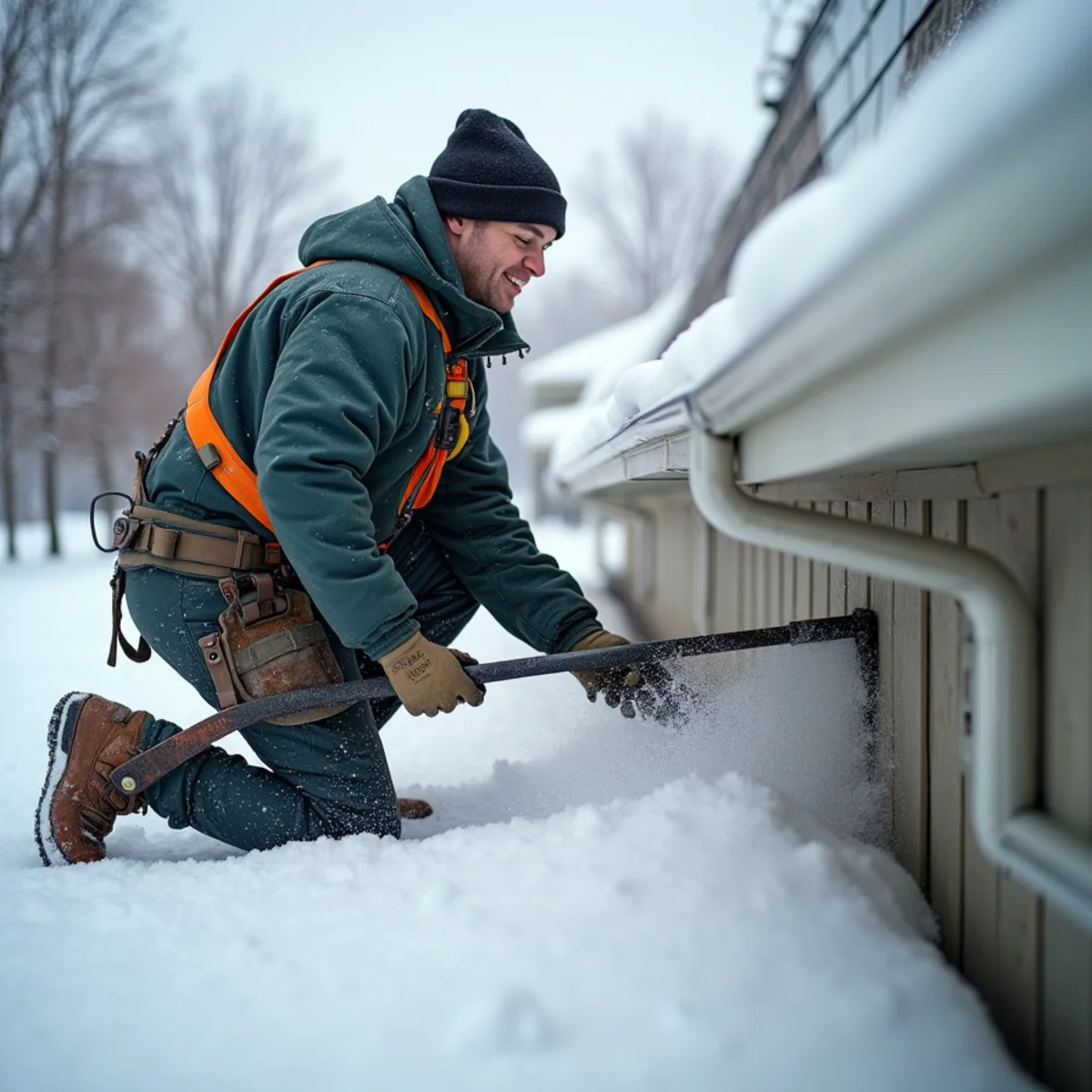
The only safe DIY intervention while waiting for professional steam crews is removing the fuel source: un-melted snowpack on the lower roof eaves. Using an extendable roof rake from solid ground, gently pull snow off the lower 4 to 6 feet of the roof.
- Stand firmly on the ground with non-slip winter boots well away from falling snow avalanches
- Use a wheeled roof rake that keeps the metal blade 1 to 2 inches above the shingle surface to avoid scraping granules
- Remove snow 4 to 6 feet up from the eave line to eliminate the insulating snow blanket that feeds the dam
- Do not attempt to scrape the solid ice ridge itself with the rake—only remove the loose snowpack above it
The Professional Solution: 290°F Low-Pressure Steam Ice Dam Removal
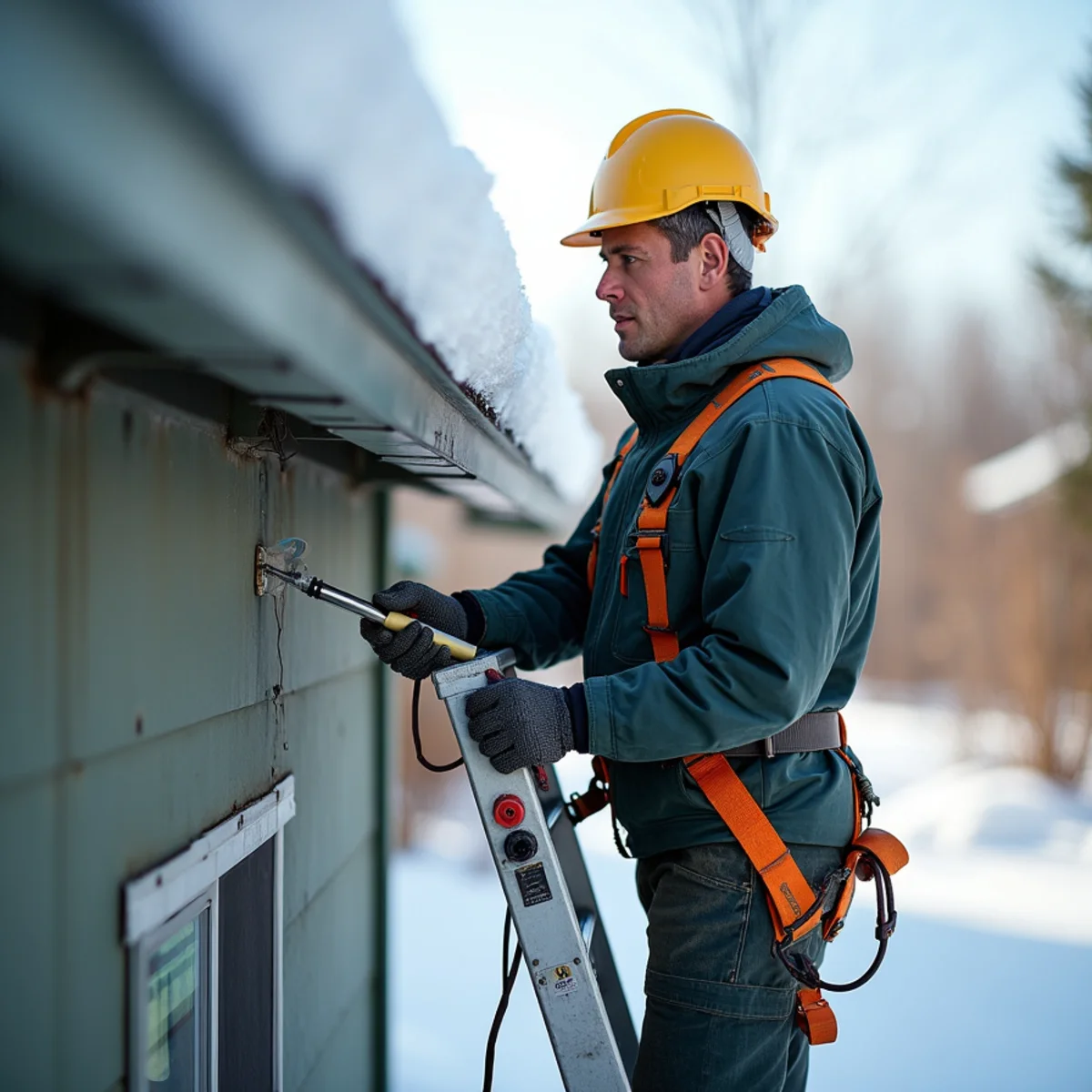
The only industry-approved method for removing ice dams without roof damage is commercial low-pressure steam. DualGuard's specialized boiler units heat water to 290°F steam at gentle low pressure (100–250 PSI). The thermal steam cuts vertical drainage channels through the ice ridge like a hot wire, releasing trapped water reservoirs within minutes.
- Thermal steam cuts channels through thick ice ridges without mechanical impact or vibration
- Releases the reservoir of standing water behind the dam, instantly halting active interior leaks
- Clears solid ice plugs from inside gutter troughs and downspout pipes safely
- Completely safe for asphalt shingles, metal eaves, copper liners, and roof warranties
Attic Thermal Physics: Why Central Minnesota Homes Are High Risk
Ice dams are fundamentally an attic insulation and ventilation issue, not simply a gutter problem. In Central Minnesota, winter outdoor temperatures regularly hover between 0°F and 20°F. If conditioned air from your heated living space leaks into the attic through unsealed attic bypasses—such as recessed can lights, plumbing vents, chimney chases, or un-weatherstripped pull-down stairs—the air warms the underside of the upper roof deck above 32°F. This heat melts the bottom layer of roof snowpack. The meltwater trickles down until it reaches the unheated roof eaves overhanging the exterior wall, where ambient sub-freezing air instantly refreezes it into an impermeable ice dam.
- Attic bypass air leakage warming the upper roof deck while eaves remain below 32°F
- Insufficient blown-in fiberglass or cellulose insulation (less than Minnesota recommended R-50 to R-60)
- Suffocated soffit intake vents blocked by loose insulation without proper rafter baffles
- Multi-valley roof architecture channeling massive snowpack meltwater into shaded north-facing corners
Insurance Claim Documentation for Interior Ice Dam Leaks
When meltwater breaches your roof shingles, water travels horizontally along roof trusses and wall studs before staining ceiling drywall or warping hardwood floors. Most Minnesota homeowners insurance policies cover interior water damage resulting from sudden ice dams under exterior peril provisions. However, policyholders have an explicit contractual obligation under the 'duties after a loss' clause to mitigate further damage immediately. Calling a certified steaming contractor to remove the standing water reservoir satisfies this requirement.
- Photograph all exterior ice dams, eave icicles, and interior water stains before steaming begins
- Retain DualGuard's itemized professional steaming invoice and proof-of-mitigation report for your adjuster
- Keep wet insulation samples or damaged drywall segments if requested by your claims representative
- Contact your insurance agent within 24 to 48 hours to initiate an exterior dwelling water loss claim
Chance
Lead Estimator & Field Craft SpecialistDualGuard Gutter Systems • 305 4th Ave S Ste 9, Sartell, MN
Chance leads field inspections, on-site extrusion, and storm response for DualGuard across Stearns and Benton counties. Known for on-the-spot quotes and honest assessments of gutter longevity and ice dam mitigation.
Related Gutter Services
Ice Dam on Your Sartell Roof? What to Do Right Now | DualGuard — FAQs
Why does my Sartell home get ice dams?
Ice dams occur when heat escapes from your living space into the attic, warming the roof deck and melting the bottom layer of snow. That meltwater runs down to the cold roof overhangs (eaves) where it refreezes into a thick ridge of ice. As the dam grows, meltwater pools behind it and backs up under shingles.
Will ice dam steaming stop water from leaking into my ceiling right away?
Yes! The moment our steam equipment cuts drainage channels through the ice dam and flushes the standing meltwater off your roof, the hydraulic pressure forcing water under your shingles drops to zero, stopping active ceiling leaks immediately.
How much does professional ice dam steaming cost in Sartell?
Ice dam steaming is typically billed on an hourly basis, usually ranging from $350 to $600 per hour depending on roof pitch, ice thickness, and accessibility. Most residential ice dam emergencies are resolved within 2 to 4 hours of steaming.
How can I prevent ice dams from coming back next winter?
Permanent ice dam prevention requires addressing attic thermal dynamics (air sealing attic bypasses and adding R-50+ insulation), ensuring unobstructed continuous soffit ventilation, and installing self-regulating heat trace cables along roof eaves and gutters.
Will homeowners insurance pay for ice dam steaming?
In many cases, yes. While policies generally do not cover routine exterior maintenance, insurers frequently reimburse emergency ice dam steaming under the policyholder's mandatory 'duty to mitigate damages' clause when active interior leaking threatens finished ceilings, drywall, and floors.
Have a Specific Question About Your Home?
Call Chance directly at DualGuard. We take pride in giving Central Minnesota homeowners straight answers and reliable craftsmanship.
Call Chance: (321) 485-9911