
Ice Dam Removal in Sartell, MN
When heavy winter snow melts from attic heat loss and refreezes at cold exterior eaves, a massive ridge of ice forms: an ice dam. Meltwater pools behind the ice wall, backs beneath asphalt shingles, and pours into ceilings, insulation, and wall cavities. DualGuard Gutter Systems provides safe, 24/7 low-pressure steam ice dam removal across Sartell, St. Cloud, and Central Minnesota, instantly releasing trapped water without damaging delicate shingles or tearing gutters off the fascia.
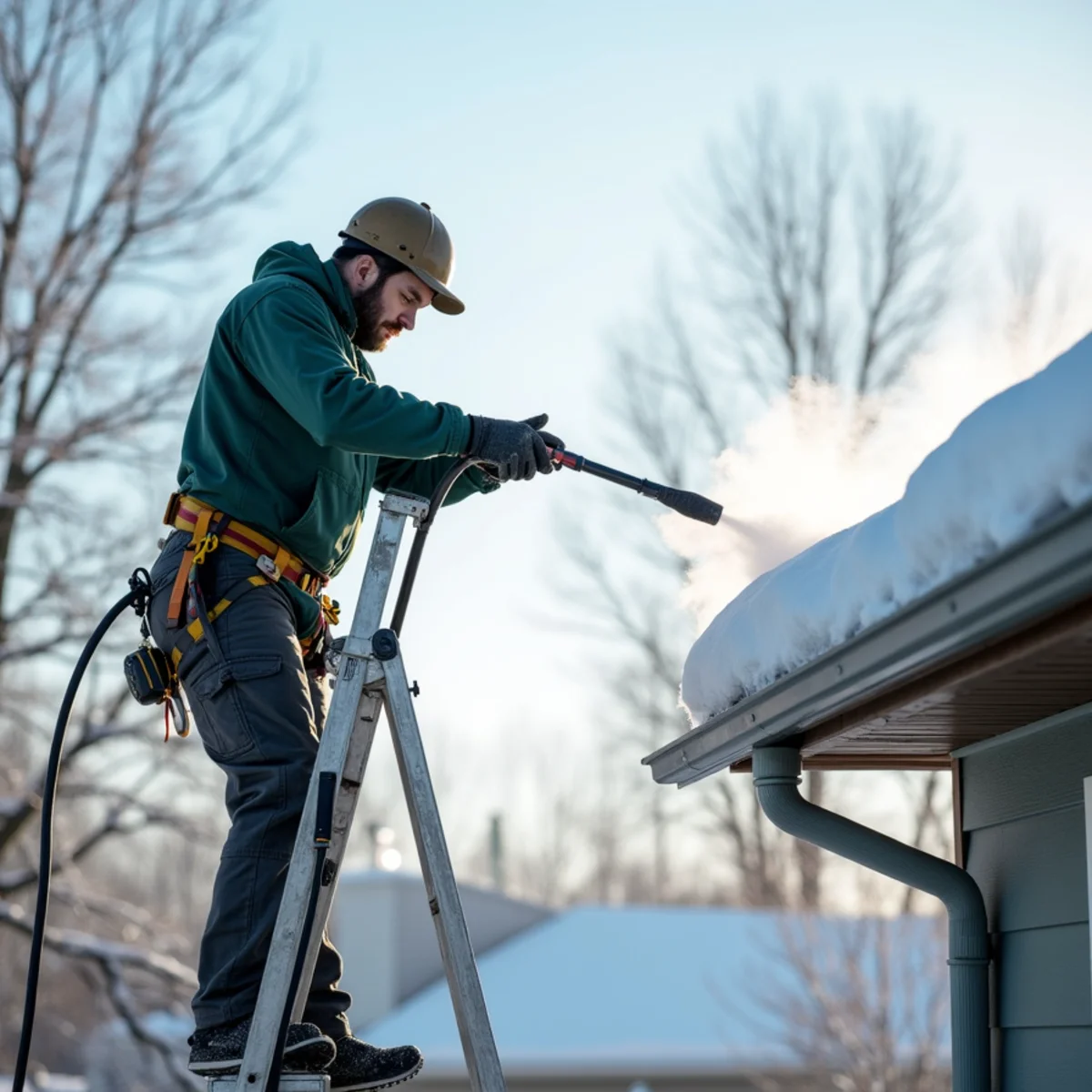
Why Low-Pressure Steam Is the Only Safe Way to Remove Ice Dams
Desperate homeowners and unqualified contractors often resort to hammers, ice picks, axes, or high-pressure power washers to break up ice dams. These violent mechanical methods crack brittle sub-zero shingles, punch holes in roof underlayment, and destroy aluminum gutters. DualGuard uses specialized commercial low-pressure, high-temperature steam equipment. The gentle 290°F steam melts through thick ice like a hot knife through butter without touching, abrading, or stripping protective mineral granules from your shingles.
- Zero mechanical impact: Gentle 290°F dry steam melts ice safely without hammers, chisels, or axes
- Shingle-safe technology: Completely preserves shingle granule surfaces and roofing manufacturer warranties
- Instant relief: Carves channels through the ice wall immediately, allowing trapped water to drain safely off the roof
- Safe gutter clearing: Clears ice blocks from inside gutter troughs and downspouts without bending aluminum
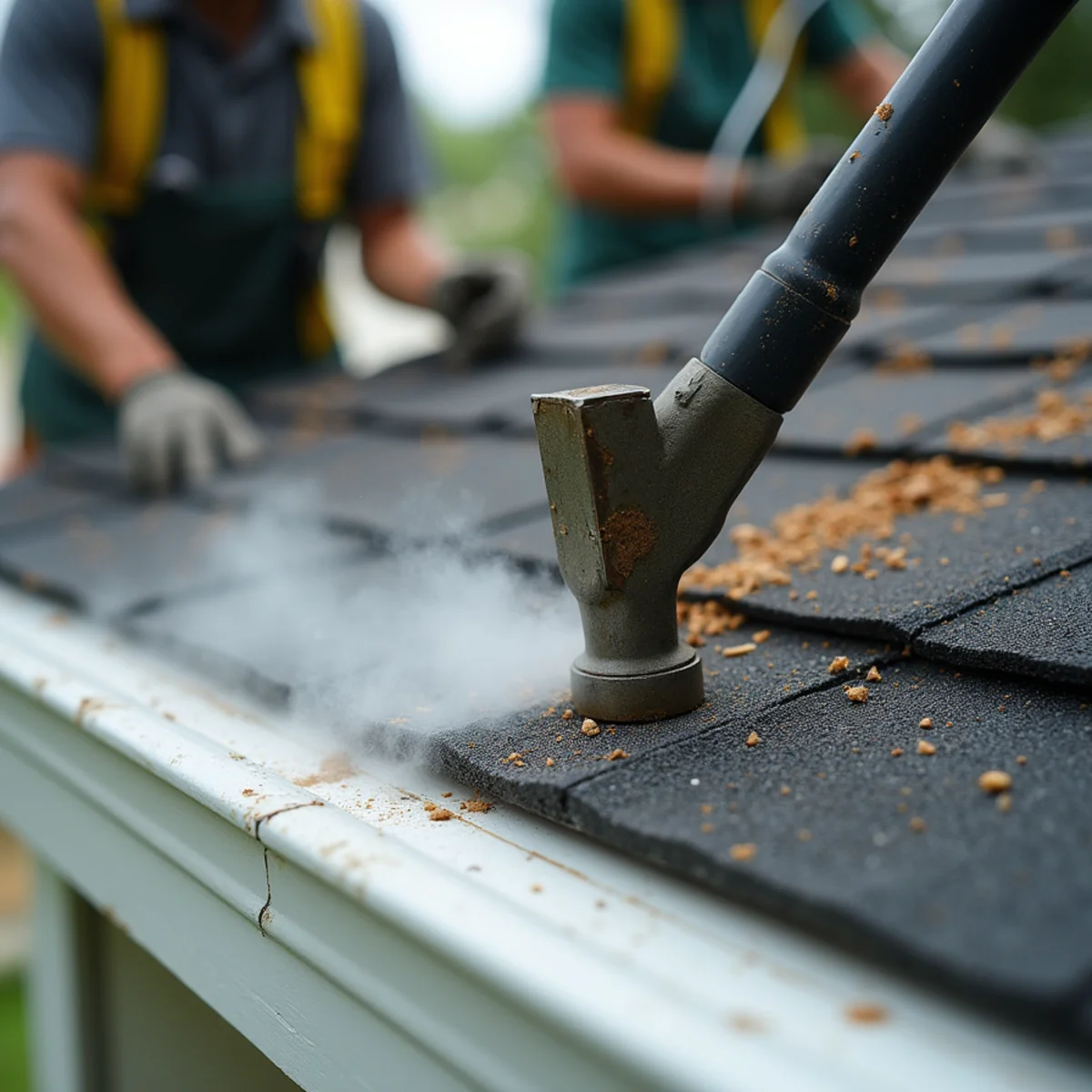
The Anatomy of an Ice Dam in Central Minnesota Homes
Ice dams are a symptom of thermal imbalance. Heat escaping from warm living spaces into the attic warms the center of the roof deck, melting bottom snowpack into water. As that water runs down to the cold roof overhangs (eaves) past the exterior wall line, outdoor temperatures of 15°F refreeze it into a ridge of solid ice. As the dam grows, backed-up water finds nail holes and shingle overlaps, penetrating into your home.
- Escaping attic heat melts roof snow while outdoor ambient temperatures remain well below freezing
- Runoff hits cold uninsulated eaves, freezing into an expanding ice ridge along the gutter line
- Standing meltwater pools behind the ice ridge, seeking seams and penetrating roof decking
- Water stains, wet drywall, ruined attic insulation, and active ceiling drips emerge inside
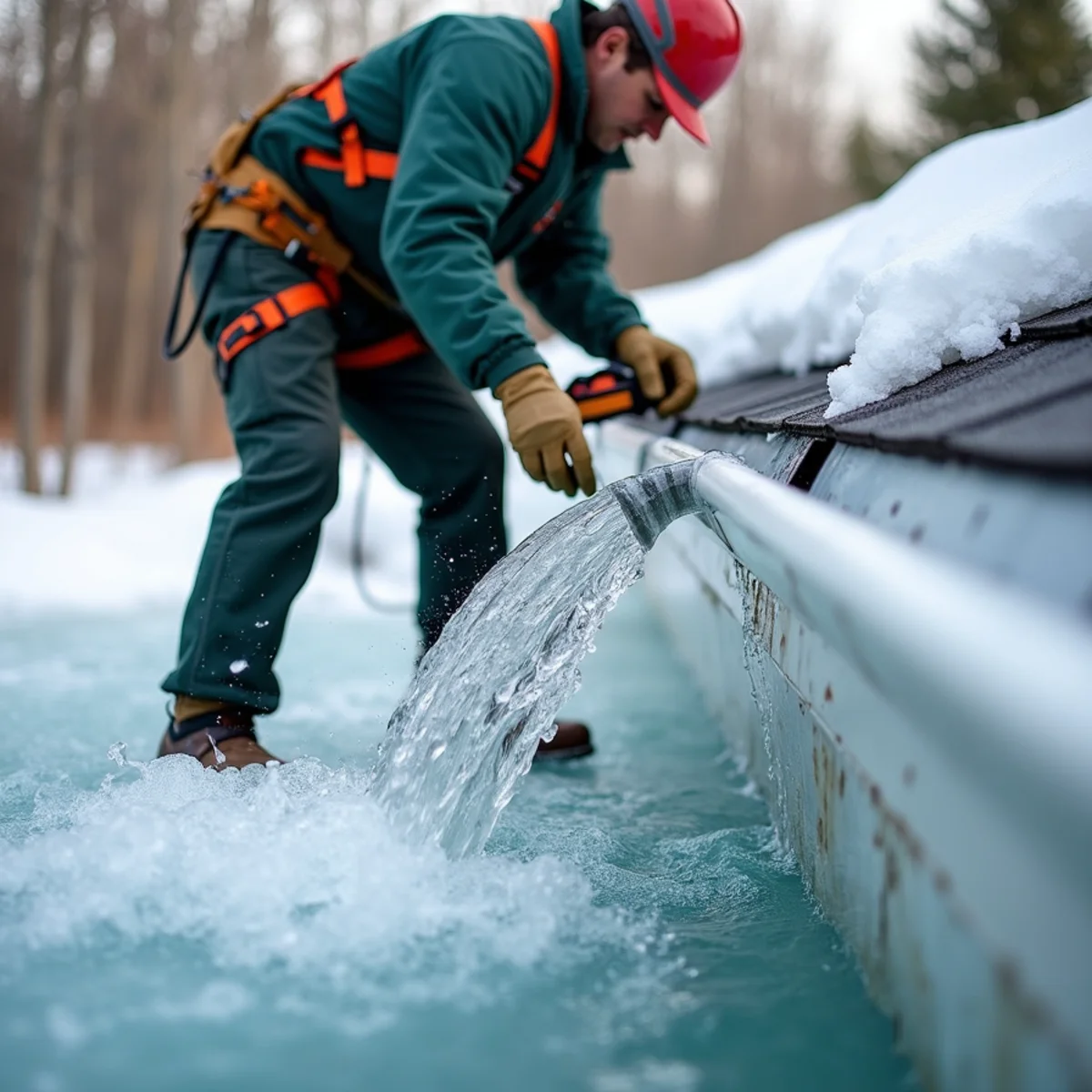
Our 5-Step Low-Pressure Steam Mitigation Protocol
DualGuard Gutter Systems follows a systematic, safety-first protocol for every ice dam removal call. Our specialized commercial steamers generate low-pressure thermal vapor that melts ice without mechanical abrasion, quickly neutralizing active leaks.
- Step 1: Perimeter Safety & OSHA Harness Rigging — We secure ladder standoff brackets, establish ground fall zones, and anchor fall-arrest harnesses.
- Step 2: Snowpack Removal — Using non-abrasive poly roof rakes, we clear the insulating blanket of snow 4 to 6 feet back from the eaves to expose the ice dam.
- Step 3: Precision Steam Channel Cutting — Our 290°F low-pressure steam wand cuts vertical relief channels through the ice ridge, instantly draining the reservoir of trapped water.
- Step 4: Gutter & Downspout Steam Flush — We feed low-pressure steam lances into the gutter troughs and downspout elbows to melt solid ice columns and re-establish gravity flow.
- Step 5: Interior Moisture & Ventilation Assessment — Once exterior drainage is restored, we inspect attic eaves to pinpoint heat bypasses and recommend permanent preventative solutions.
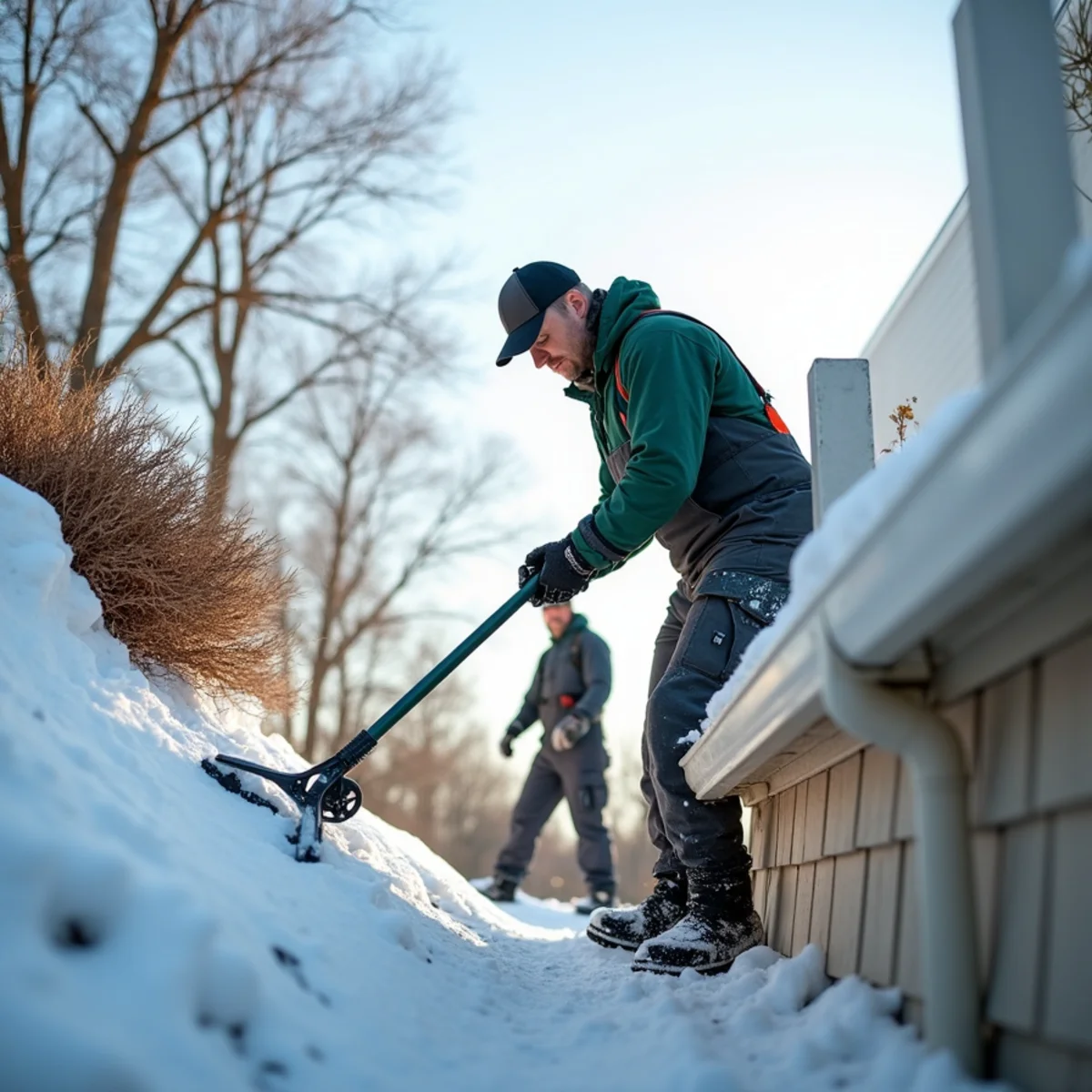
Ice Dam Steaming Costs & Insurance Mitigation Guidelines
Commercial ice dam steaming rigs require specialized high-temperature boiler equipment, heavy diesel fuel, continuous water supply, and certified two-person safety crews working in sub-zero winter conditions. In Central Minnesota, professional ice dam steaming is billed at competitive hourly rates, typically ranging from $350 to $650 per hour depending on roof pitch, ice thickness, and accessibility. Most residential ice dam emergencies require 2 to 4 hours of steaming. In cases where an ice dam causes active interior ceiling leaks, homeowner hazard insurance policies frequently cover the emergency mitigation steaming costs as part of water damage loss prevention.
- Transparent hourly billing with zero hidden travel charges within the Sartell and St. Cloud area
- Most residential ice dam steaming projects completed within 2 to 4 hours of on-site service
- Avoids thousands in ceiling drywall, fiberglass insulation, and hardwood floor remediation
- Detailed photographic documentation provided to support homeowner insurance reimbursement claims
Minnesota Energy Code & Ice Barrier Standards
The Minnesota State Building Code (MR 1303.1600) recognizes Central Minnesota's severe ice dam vulnerability by requiring ice-and-water shield underlayment extending from the roof eave edge to a point at least 24 inches inside the interior exterior wall line. However, during record snow accumulations, ice dams frequently back up beyond that 24-inch protective membrane. DualGuard evaluates your roofline ventilation, soffit intake baffles, and eave configuration to ensure your drainage system works hand-in-hand with state building standards.
- Evaluation of soffit continuous venting and ridge exhaust airflow to balance attic temperatures
- Assessment of eave depth and existing ice barrier coverage relative to exterior wall framing
- Zero mechanical damage to existing underlayment, preserving the integrity of protective membranes
- Recommendations for self-regulating de-icing cables for homes with persistent architectural cold spots
Why Sartell & Stearns County Homeowners Choose DualGuard
DualGuard Gutter Systems is based in Sartell at 305 4th Ave S Ste 9. When sub-zero winter blizzards hit Stearns and Benton counties, our local emergency crews respond swiftly. We never use pressure washers or destructive axes that void shingle warranties. With true commercial low-pressure steam equipment, OSHA-certified safety rigging, and deep local expertise in Minnesota winter exterior protection, DualGuard is Central Minnesota's most trusted winter drainage partner.
- True commercial low-pressure steam equipment (290°F at under 250 PSI) that protects shingles
- Rapid emergency dispatch across Sartell, St. Cloud, Sauk Rapids, and Waite Park
- Permanent local contractors with year-round accountability, not transient seasonal storm crews
- Call our 24/7 emergency dispatch line directly at (321) 485-9911 for immediate winter response
Related Emergency Gutter Repair Options
Serving Central Minnesota Communities
Trusted by Homeowners Across Central Minnesota
Ice Dam Removal FAQs
Why use steam instead of pressure washing or hammers?
Steam operates at high temperature (around 290°F) but very low pressure (100 to 250 PSI), melting ice gently without abrading shingles. High-pressure hot water washers (1,000+ PSI) blast mineral granules off shingles and punch holes through roofing underlayment. Hammers and axes shatter cold, brittle shingles and dent gutters, voiding manufacturer warranties.
How fast can you get to my home for emergency steaming?
During severe winter weather events across Sartell and St. Cloud, our emergency steam teams are on standby 24/7. We prioritize active interior leaks and can typically arrive on-site within 2 to 4 hours of your emergency call to (321) 485-9911.
Does ice dam steaming damage my asphalt shingles?
No! Low-pressure steam is the industry-recognized gold standard approved by roofing manufacturers. Because it relies on thermal heat rather than physical pressure or impact, shingles remain completely undamaged.
Will clearing the ice dam stop water leaking into my ceiling immediately?
Yes. The moment our steam equipment cuts drainage channels through the ice dam and flushes the trapped reservoir of standing water off the roof, the hydraulic pressure forcing water under your shingles drops to zero, halting active interior leaks immediately.
Can I prevent ice dams from coming back next winter?
Yes. Long-term ice dam prevention requires addressing the root causes: sealing attic air leaks, adding attic insulation (reaching Minnesota R-60 standards), ensuring continuous soffit-to-ridge ventilation, and installing self-regulating heated gutter cables along vulnerable roof valleys and eaves.