
Soffit Damage from Ice Dams & Critters: Signs & Repair Guide
Damaged, rotted, or sagging soffit panels beneath your eaves aren't just an eyesore—they ruin attic ventilation, invite squirrel and bat infestations, and indicate underlying roofline water leaks. Learn the warning signs, root causes, and how DualGuard restores vented aluminum soffits in Central MN.
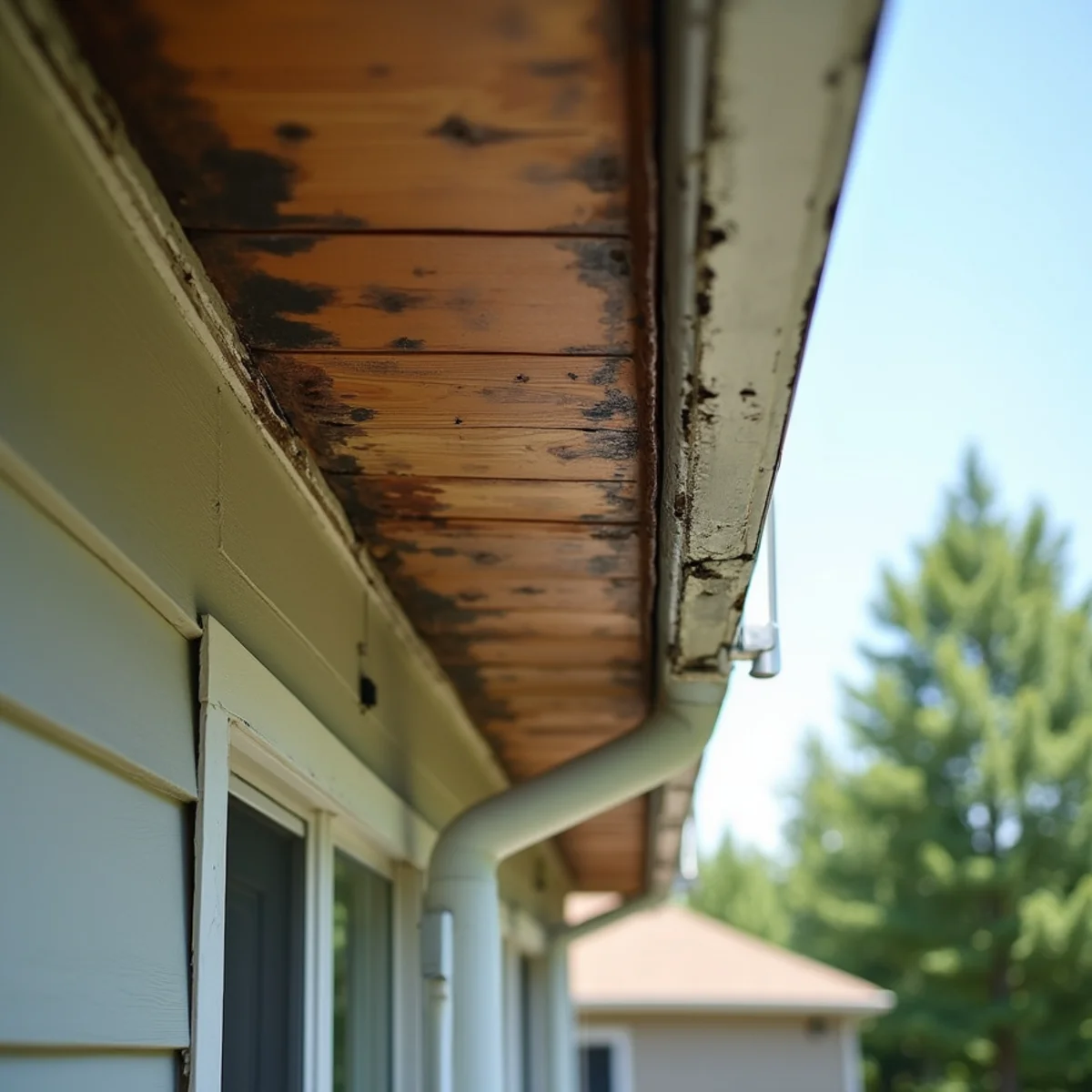
Damaged, rotted, or sagging soffit panels beneath your eaves aren't just an eyesore—they ruin attic ventilation, invite squirrel and bat infestations, and indicate underlying roofline water leaks. Learn the warning signs, root causes, and how DualGuard restores vented aluminum soffits in Central MN.
- The Vital Dual Role of Roof Eave Soffits
- How Ice Dams & Gutter Overflows Destroy Soffits
- The Pest Infiltration Hazard: Squirrels, Bats & Mice
- Upgrading to Maintenance-Free Vented Aluminum Soffits
- Minnesota Energy Code MR 1322 & NFVA Balanced Airflow Calculations
- Wood Rot vs. Heavy Aluminum Cladding: Cost Comparison & Longevity
The Vital Dual Role of Roof Eave Soffits
The soffit is the horizontal underside bridging the exterior wall of your home and the roof eave. While often overlooked, functional soffits are critical to your home's structural health:
- Intake Attic Ventilation: Vented soffits draw cool outdoor air into the lower attic, feeding airflow up to the ridge vent to prevent winter ice dams and reduce summer cooling costs
- Pest Exclusion Barrier: Solid, well-fastened soffits form a physical barrier preventing birds, bats, raccoons, squirrels, and wasps from entering warm attic insulation
- Rafter Tail Protection: Encloses structural roof framing, protecting wood rafter ends from driving rain and moisture decay
How Ice Dams & Gutter Overflows Destroy Soffits
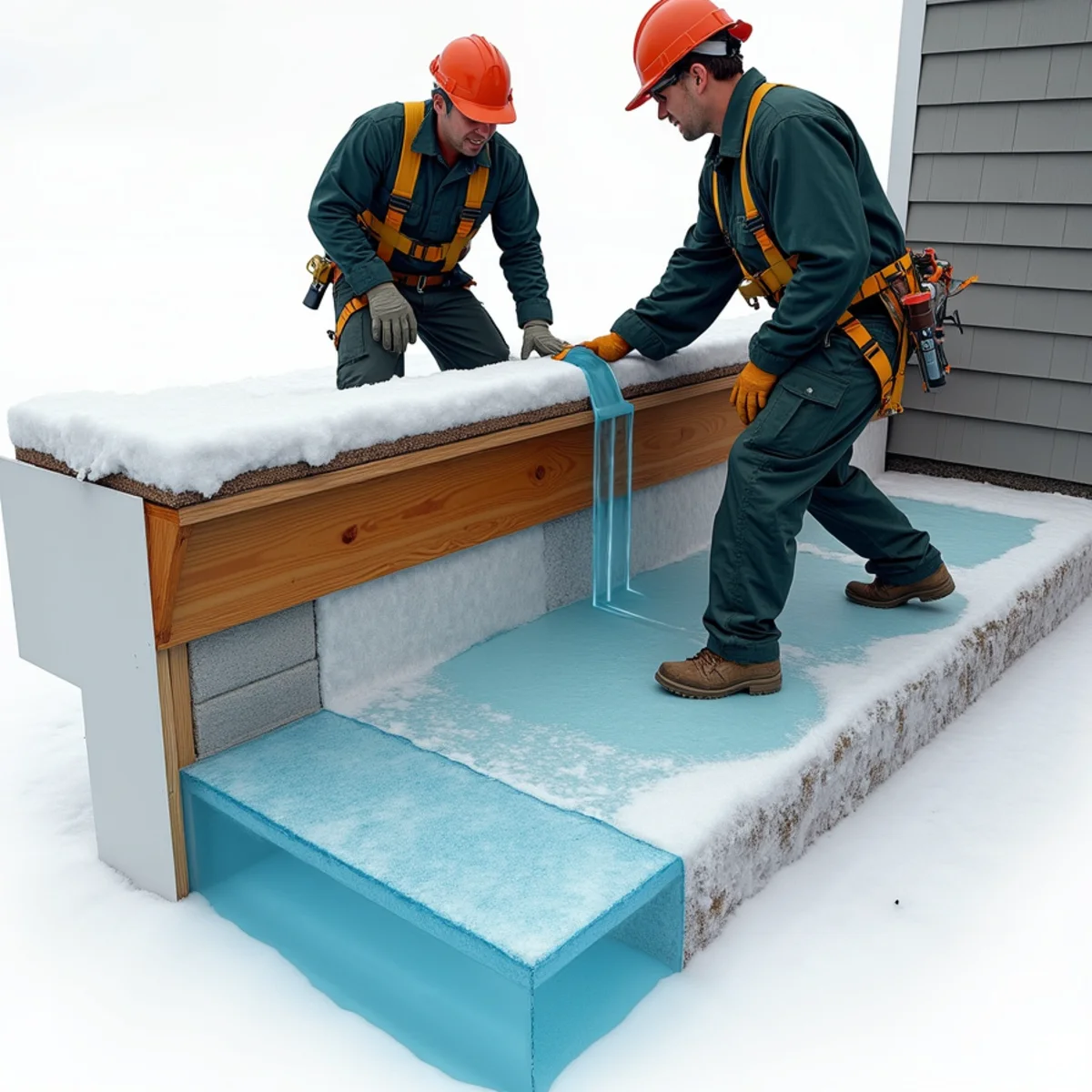
Soffit damage in Central Minnesota is almost always water-driven. When winter ice dams form along roof eaves, meltwater pools behind the ice ridge and finds nail holes and seams in roof decking. The water runs down rafter tails and soaks into wooden soffit boards from the inside out.
- Meltwater trapped behind ice dams seeps backward along rafter tails, soaking wooden sub-fascia and soffits
- Gutters clogged with leaves overflow the rear lip, dripping dirty water directly onto the soffit underside
- Repeated wetting causes wooden panels to swell, blister paint, delaminate, and rot into soft sponge
- Moist, rotting wood emits a decaying scent that actively attracts carpenter ants and nesting rodents
The Pest Infiltration Hazard: Squirrels, Bats & Mice
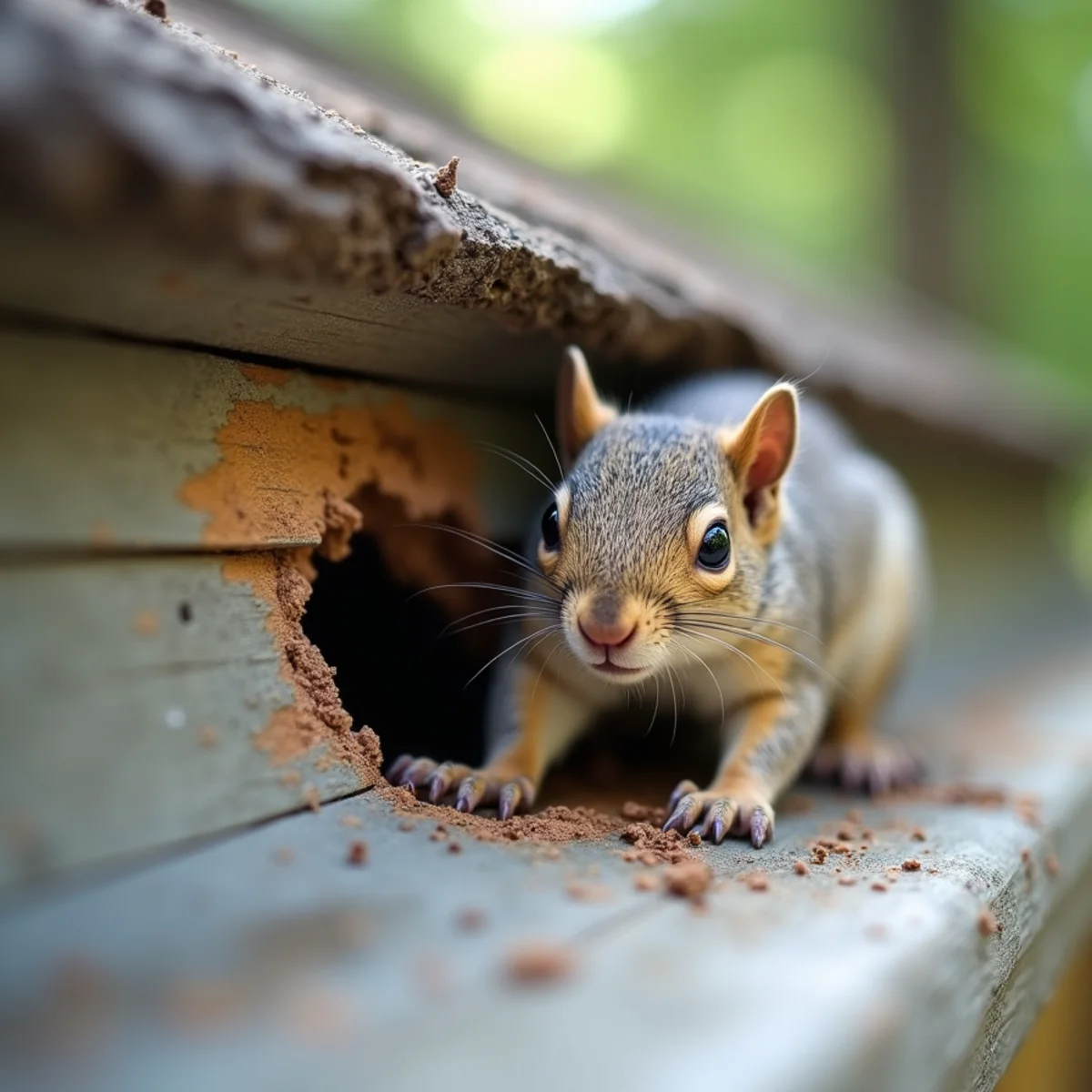
Once a wooden or vinyl soffit is softened by moisture rot, wildlife quickly exploits the weakness. Squirrels easily chew through rotted plywood to create attic entry holes, while raccoons use their claws to rip loose sagging panels. Once inside, pests shred fiberglass insulation, contaminate living spaces with droppings, and chew electrical wiring, creating severe fire hazards.
- Scratching, thumping, or scurrying noises in ceilings or attic spaces during early morning and evening
- Visible chew marks, chewed corners, or displaced soffit panels along roof overhangs
- Insect infestations: Wasps, hornets, and carpenter ants building colonies inside rotted eave cavities
- Severe fire risk caused by rodents chewing through plastic insulation on attic electrical branch wiring
Upgrading to Maintenance-Free Vented Aluminum Soffits
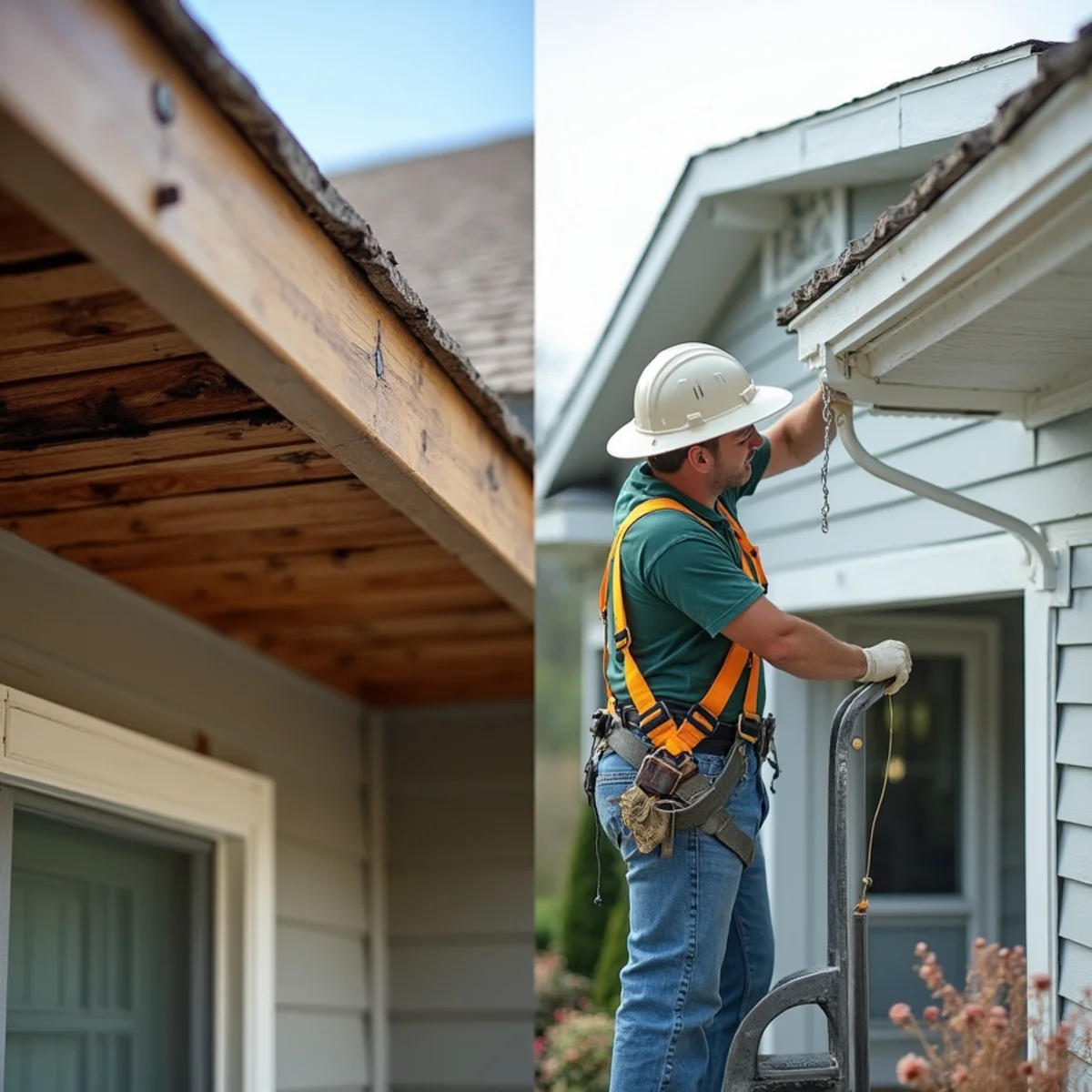
Painting and patching rotted wooden soffit panels is a temporary fix. DualGuard upgrades homes to heavy-gauge .019-gauge vented aluminum soffit systems that permanently solve moisture and pest issues.
- Heavy-gauge aluminum panels that squirrels and mice cannot chew or penetrate
- Perforated micro-lancing delivering balanced CFM attic ventilation while keeping driving snow out
- Factory-baked enamel finishes in over 20 colors that never peel, chip, or require repainting
- Integrated with new seamless gutters and aluminum fascia wrap for complete exterior protection
Minnesota Energy Code MR 1322 & NFVA Balanced Airflow Calculations
Under Minnesota Rules Chapter 1322 (Residential Energy Code) and IRC Section R806, enclosed attic assemblies require balanced mechanical intake and exhaust ventilation to manage winter moisture and prevent ice dams. The building standard requires 1 square foot of Net Free Ventilating Area (NFVA) for every 150 square feet of attic floor space (or 1:300 when balanced between upper exhaust and lower eaves). When soffit vents are blocked by blown-in cellulose, crushed by ice dams, or covered with unvented wood boards, the attic suffocates. Warm, humid indoor air rising through ceiling penetrations becomes trapped, melting roof snow from below while soaking attic rafters with frost. DualGuard calculates precise NFVA requirements and installs heavy-duty continuous vented aluminum soffits paired with attic intake baffles to ensure continuous cold-air washing across the roof decking.
- Code compliance with Minnesota Rules 1322 requiring 1:150 or balanced 1:300 NFVA ventilation ratios
- Prevents warm indoor air buildup that causes cyclical winter roof thaw and catastrophic eave ice dams
- Eliminates winter attic frost accumulation that melts into ceiling insulation and drywall every spring
- DualGuard installs high-intake perforated aluminum panels yielding 9 to 10 square inches of NFVA per linear foot
Wood Rot vs. Heavy Aluminum Cladding: Cost Comparison & Longevity
When homeowners in St. Cloud or Sartell discover water-damaged soffits, contractors often propose scraping, priming, and repainting or replacing rotted plywood with fresh lumber. In Central Minnesota's climate, painted exterior wood beneath roof eaves rarely lasts more than 5 to 7 years before moisture delaminates the paint and invites carpenter ants or squirrels. Upgrading to .019-gauge vented aluminum soffit panels paired with custom-bent .024-gauge aluminum fascia wrap costs only 15% to 25% more upfront than wood replacement, but delivers a permanent 30+ year maintenance-free barrier that never rots, warps, or requires repainting.
- Wood Soffit Maintenance: Requires scraping, sealing, and repainting every 5 to 7 years at $1,200 to $2,500 per cycle
- Vented Aluminum Panels: Factory-baked fluoropolymer coil finish engineered to withstand -35°F freezes and 95°F summer heat
- Rodent-Proof Mechanical Barrier: Heavy aluminum panels cannot be chewed through by squirrels, mice, or bats seeking attic warmth
- Complete Roofline Integration: Seamlessly locks into aluminum J-channel and drip edge flashing for total weather protection
Chance
Lead Estimator & Field Craft SpecialistDualGuard Gutter Systems • 305 4th Ave S Ste 9, Sartell, MN
Chance leads field inspections, on-site extrusion, and storm response for DualGuard across Stearns and Benton counties. Known for on-the-spot quotes and honest assessments of gutter longevity and ice dam mitigation.
Related Gutter Services
Soffit Damage from Ice Dams & Critters: Signs & Repair Guide — FAQs
What causes soffit panels to sag or rot?
Soffit damage is almost always caused by water intrusion: winter ice dams backing meltwater over the rear gutter lip, gutters overflowing from leaf clogs, or missing roof drip edge flashing that allows rain to run down the back of the fascia.
Can animals enter my attic through damaged soffits?
Yes! Rotted wooden soffits are the primary entry point for squirrels, raccoons, bats, and mice in Central Minnesota. Once softened by water, animals easily chew or push through panels to build nests in warm attic insulation.
Why is vented aluminum soffit better than wood or vinyl?
Vented aluminum will never rot, warp, or sag like wood or cheap vinyl. It is chew-proof against rodents, resists fire, provides balanced airflow to prevent ice dams, and never requires scraping or painting.
Do you repair both soffits and gutters together?
Yes! Because soffit damage is directly caused by gutter overflow or ice dams, we frequently replace rotted soffits and fascia boards while installing brand-new seamless gutters, providing a turnkey exterior solution.
How do I know if my soffit vents are blocked and causing ice dams?
Inspect your attic on a sunny winter day: if you do not see natural daylight filtering in along the roof eaves, or if insulation is pressed directly against roof sheathing without ventilation baffles (proper vents), your soffits are blocked. Outside, peeling paint, sagging panels, and heavy winter icicle ridges indicate inadequate soffit intake airflow.
Have a Specific Question About Your Home?
Call Chance directly at DualGuard. We take pride in giving Central Minnesota homeowners straight answers and reliable craftsmanship.
Call Chance: (321) 485-9911